
Wichita is home to some of the most vibrant historic neighborhoods in Kansas. From the classic Craftsman bungalows of Delano and the grand Tudor Revivals of College Hill to the tree-lined streets of Riverside and Crown Heights, these communities give our city its distinct character. However, homes built between the 1920s and 1950s come with a hidden, aging infrastructure under the floorboards and lawn: mid-century cast iron drain lines and vitrified clay sewer pipes.

I’m sure you’d agree that buying or restoring a vintage home is a passion project, but dealing with sudden sewage backups is a nightmare. I promise that understanding how these legacy piping materials degrade, and how Wichita’s local soil impacts them, will help you protect your investment before a minor slow drain turns into an expensive excavation. In this guide, we’ll break down what’s happening beneath your historic foundation and how to navigate repairs without ruining your home’s charm.
The Reality of 1920s–1950s Wichita Plumbing Systems
During the building boom of the mid-20th century, plumbing standards relied on two primary materials: cast iron for interior drain, waste, and vent lines, and vitrified clay for underground sewer lines connecting the home to the municipal main.
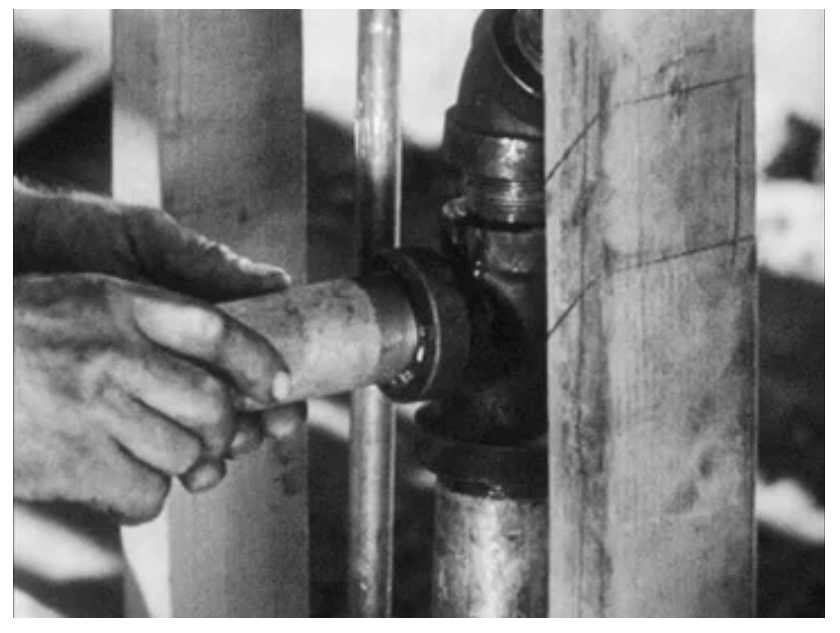
According to regional housing and infrastructure standards, both materials have an expected design lifespan of roughly 50 to 75 years. Because most homes in Crown Heights, Riverside, and College Hill have already passed or are approaching this age threshold, these systems are operating on borrowed time.
Cast Iron Drain Lines (Interior)
Cast iron was prized for its strength and sound-dampening qualities. However, over decades of exposure to household water, soaps, and sewer gases, cast iron undergoes a process called channel channeling (where running water wears away the bottom of the pipe) and tuberculation (rust flakes forming on the inside walls). This creates a rough, jagged interior surface that catches hair and paper, leading to persistent clogs.
Clay Sewer Lines (Exterior)
Vitrified clay pipes were installed in short sections joined by mortar joints. While the clay material itself resists chemical corrosion remarkably well, the weakness lies in those joints. Over 70+ years, ground settling and shifting disrupt these connections, leaving small gaps where tree roots, especially from the mature oaks and maples lining historic Wichita streets, can easily invade.
Why Sedgwick County Soil Accelerates Pipe Degradation
Plumbing systems don’t exist in a vacuum; they interact directly with the environment around them. In South-Central Kansas, our native soil composition plays a massive role in pipe failure.
Wichita sits on high-density expansive clay soil. During hot Kansas summers, the ground dries out and shrinks; during wet spring storms, it absorbs water and swells dramatically. This continuous expansion and contraction creates lateral ground movement (soil shear) that snaps rigid clay sewer pipes and cracks brittle, aging cast iron lines underneath slabs and crawlspaces.
3 Signs Your Historic Home Has Legacy Pipe Failure
1. Frequent Backups in the Lowest Fixtures
If flushing a toilet in your Delano home causes water to bubble up in the basement floor drain or bathtub, the issue isn’t localized to that sink, it’s a restriction in the main cast iron or exterior clay line.
2. Isolated “Soggy Spots” in the Yard
A collapsed clay pipe acts as a subterranean irrigation system. If you notice an unusually green, lush patch of grass or a sunken area in your lawn during a dry Wichita summer, wastewater is likely escaping from a cracked sewer connection.
3. Persistent “Sewer Gas” Smells
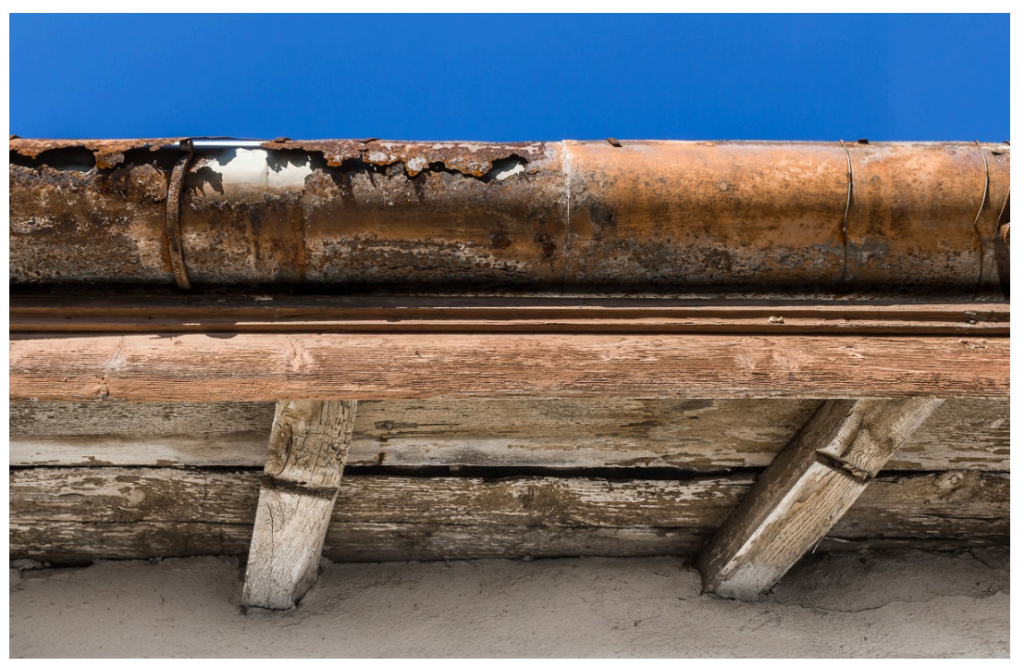
When cast iron pipes corrode along the top half of the line (where sewer gas sits), cracks form that allow hydrogen sulfide gas to escape into your home’s basement, crawlspace, or walls, even if liquid isn’t leaking out yet.
Common Historic Pipe Questions
Should I replace the cast iron pipes in my College Hill home before renovating? Yes. If you are planning a bathroom or kitchen remodel in a 1930s or 1940s home, always inspect and replace underlying cast iron lines first. Installing expensive new tile and cabinetry over a pipe that is thin or channeled is a risky gamble that often leads to torn-up new work later.
How long do clay sewer lines last in Wichita? While the clay pipe itself can structurally survive past 75 years, the joints rarely do. In mature Wichita neighborhoods, tree root intrusion typically compromises clay systems around the 50-to-60-year mark, requiring ongoing maintenance or replacement.
Do I have to dig up my historic lawn to fix a clay pipe? Not always. Depending on the condition of the pipe’s structure, modern trenchless technology (like CIPP pipe lining) allows plumbers to insert a seamless epoxy resin liner inside the old clay pipe through a single access point, preserving your historical landscaping and brick pathways.
Pro-Tip: The Camera First Rule Never authorize a full sewer line replacement on a historic home based on guesswork. Always demand a high-definition video camera inspection. A professional plumber should show you the exact location of the offset, crack, or root mass on a monitor before discussing excavation or lining options.
Preserve Your Piece of Wichita History
Owning a historic home in Riverside, Crown Heights, College Hill, or Delano means taking care of the hidden details as much as the period-correct woodwork. Inspecting your mid-century pipes gives you the foresight needed to plan repairs on your timeline rather than facing an emergency backup on a weekend.

Unsure of what’s running underneath your historic foundation? Don’t wait for a backup to compromise your home.
Call Lyday Plumbing at 316-612-0458 or visit our website to schedule a comprehensive HD Camera Sewer Inspection. We’ll help you preserve your Wichita classic with honest, expert care!