
The harsh Kansas winter has finally retreated, and while the sight of green grass in Wichita is a relief, the
transition from freezing to thawing presents a unique set of risks for your plumbing. Many homeowners
believe that if they didn’t have a catastrophic “gusher” pipe burst in January, they cleared the winter hurdle
safely.
Unfortunately, winter is often a “slow-burn” villain. Extreme cold causes metal and plastic pipes to contract,
often creating hairline fractures rather than full breaks. These cracks stay “sealed” by ice or dormant due to
low usage until the ground thaws and spring activities begin. I promise that spending ten minutes on a
“thaw walk” this week can prevent a massive repair bill in May. Here is how to catch the leaks that have
been hiding in the frost.
Why “Silent” Cracks are More Dangerous Than Bursts
When a pipe bursts in the dead of winter, you know it immediately. However, a hairline fracture caused by
the freeze-thaw cycle is subtle. According to residential plumbing data, a leak as small as 1/8th of an inch
can leak up to 250 gallons of water per day.
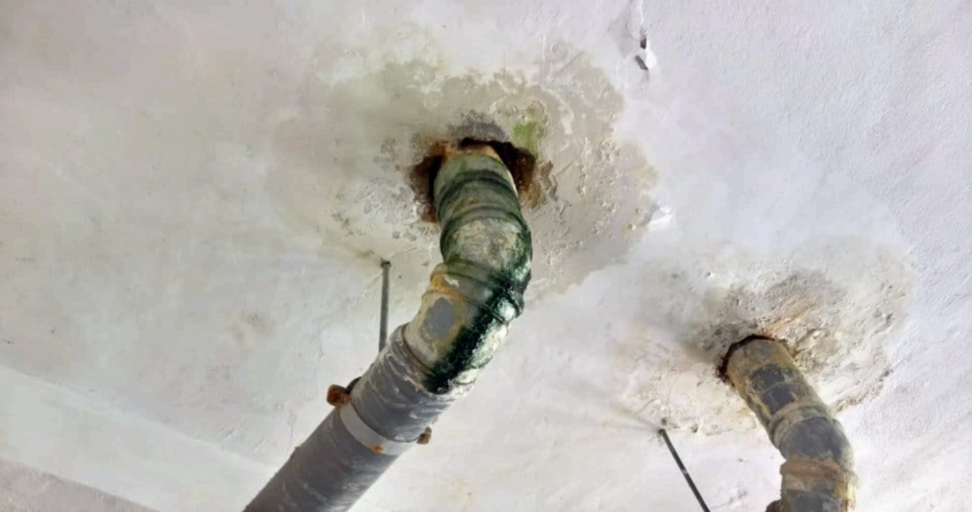
In Wichita, our soil is rich in clay, which expands and contracts significantly with temperature changes. This
shifting “heave” puts immense pressure on your underground main lines and outdoor spigots. As the ice
melts, the structural support around the pipe softens, and that tiny crack finally begins to weep water into
your foundation or crawlspace.
The “Spring Thaw” Inspection Checklist
You don’t need specialized tools to find these hidden leaks; you just need to know where the winter stress
was highest.
1. The Hose Bibb Pressure Test
This is the most common “hidden” leak. If you left a hose attached during the first frost, water likely trapped
in the pipe expanded and cracked the internal casing. To test this, turn on your outdoor faucet and place
your thumb over the opening. If you can easily stop the flow of water, it’s leaking from a crack inside the
wall rather than building pressure.
2. Monitoring the “Water Meter Spin”
This is the most effective way to find a silent leak. Ensure all water-using appliances (dishwasher, laundry,
showers) are turned off. Head out to your water meter and look at the “leak indicator”—usually a small red
or silver triangular wheel. If that wheel is spinning, even slowly, water is escaping somewhere in your
system.
3. The Foundation and Yard Walk
Walk the perimeter of your home. Look for “unusually green” patches of grass or soft, spongy spots in the
soil that don’t seem to dry out. Indoors, check the base of your drywall in the basement or crawlspace.
Efflorescence (a white, powdery mineral deposit) on concrete walls is a primary indicator that moisture is
seeping through a freeze-damaged line.
Common Spring Leak Questions
Why did my pipe leak now instead of in January? Ice acts as a temporary plug. During the winter, the
water inside the crack is frozen solid. As the ambient temperature rises, the ice melts, and the constant
pressure of your home’s water system (usually 40–60 PSI) forces water through the newly opened fracture.
Can a small leak really affect my foundation? Yes. In Wichita’s clay soil, consistent water leaks can lead
to “soil erosion” or “hydrostatic pressure” issues. This can cause your foundation to settle unevenly, leading
to cracked drywall and sticking doors throughout the house.
Should I be worried about my sprinkler system? Absolutely. Irrigation lines are shallow and highly
susceptible to the freeze-thaw cycle. When you “charge” your system for the first time in April, stay at the
control box and watch for pressure drops or geysers in the yard.
Pro-Tip: The “Hiss” Test. On a quiet night, stand near your main water shut-off valve. If you hear a faint,
constant hissing or the sound of running water when everything is turned off, you likely have a slab leak or
a cracked line behind a wall that hasn’t surfaced yet.
Catch the Leak Before the Mold Takes Root
Spring is a season of renewal, but it’s also the peak season for mold growth fueled by hidden winter leaks.
By identifying these small fractures now, you protect your home’s value and your family’s health.
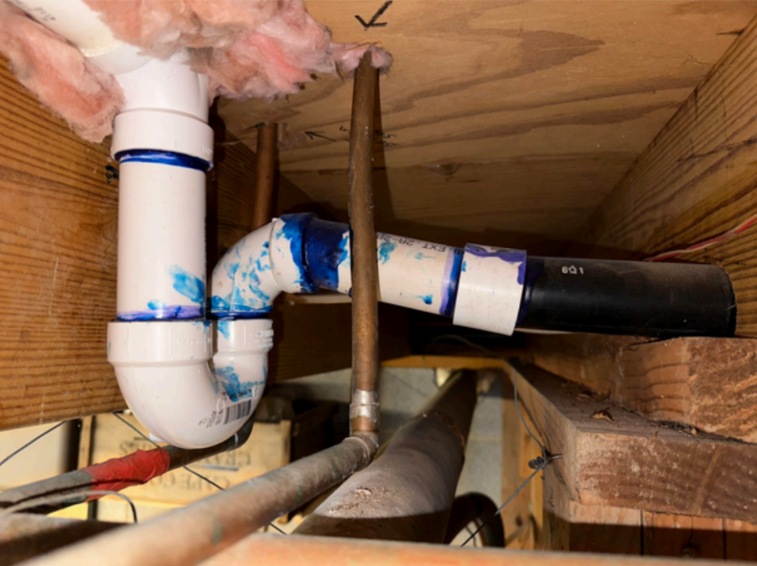
Think your home might be hiding a winter secret? Don’t wait for the “Thaw Reveal” to ruin your flooring.
Contact Lyday Plumbing today at (316) 612-0458 for a comprehensive Spring Plumbing Audit. We use
non-invasive leak detection to find the problem before it finds your wallet!