
As October progresses across Wichita, the city puts on a spectacular display. The mature oaks, maples, and elms lining the streets of historic neighborhoods like College Hill, Riverside, Delano, and Crown Heights transform into rich shades of gold and amber. But while the autumn canopy above ground looks stunning, a silent, aggressive process is unfolding underground beneath your lawn.
I think we can all agree that dealing with a sewage backup in your basement as winter approaches is an absolute nightmare. I promise that understanding why tree roots target sewer lines during late autumn, and taking proactive steps to inspect your main line before the ground freezes, will protect your historic home from catastrophic water damage. In this guide, we will explore the botanical science behind fall root growth, how it impacts Wichita’s legacy clay and cast iron pipes, and why a pre-winter pipe inspection is your best line of defense.
Why Trees Target Sewer Lines in October?
Most homeowners assume that tree roots grow primarily during the lush months of spring and summer. However, plant biology tells a different story. As autumn arrives and trees drop their leaves, their above ground growth halts. The tree shifts its cellular energy downward into the root system, entering a critical phase of late season expansion to store water and nutrients before the soil freezes solid in winter.
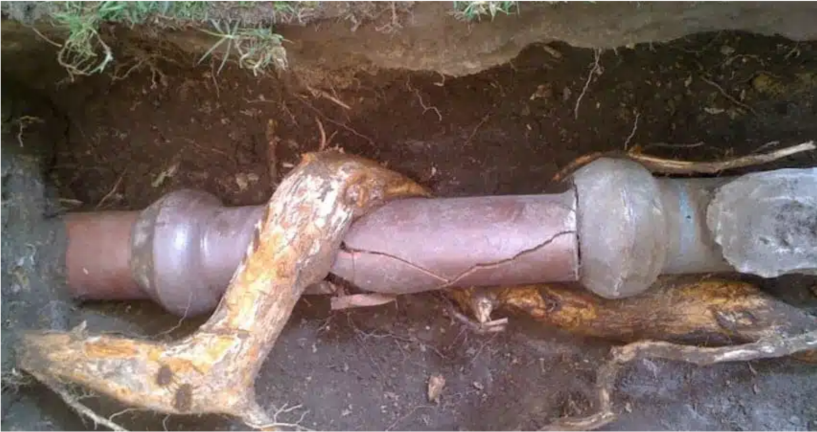
According to regional botanical and arboricultural data, autumn is peak season for root exploration. Big shade trees require hundreds of gallons of water to sustain their biological processes, and your underground main sewer line acts as a beacon. Sewer pipes carry warm water, vapor, and nutrient-rich organic waste. As ground temperatures drop in late October, warm moisture escapes through tiny stress fractures, worn mortar joints, or loose connections in aging pipe lines. Tree roots detect this moisture gradient in the soil and grow directly toward the source, wrapping around the pipe and forcing their way through the smallest microscopic openings.
The Vulnerability of Historic Wichita Neighborhoods
This botanical behavior is especially problematic for older Wichita homes built between the 1900s and 1960s. Neighborhoods like College Hill, Riverside, and Delano were constructed using vitrified clay pipe segments for exterior sewer lines and cast iron for main house drains.
Clay pipes were installed in short four-foot sections joined together with mortar or tar seals. Over 70 to 100 years of Kansas soil expansion and contraction, these joints naturally shift, crack, and gap. Once a single hair-like feeder root pierces a clay joint, it finds an unlimited supply of water and fertilizer. Inside the pipe, the root multiplies exponentially into a thick, matted “root mass” that acts like a net, catching toilet paper, solid waste, and grease. By the time November rolls around, what started as a hairline root entry becomes a solid wood plug that completely seals off your home’s drainage path.
Why Pre-Winter Inspections Are Essential
Addressing root intrusion in October or early November is vastly easier and cheaper than dealing with a collapsed pipe during a freezing Kansas January. Once winter sets in and the top layer of Sedgwick County soil freezes solid, emergency excavation becomes significantly more difficult and expensive.
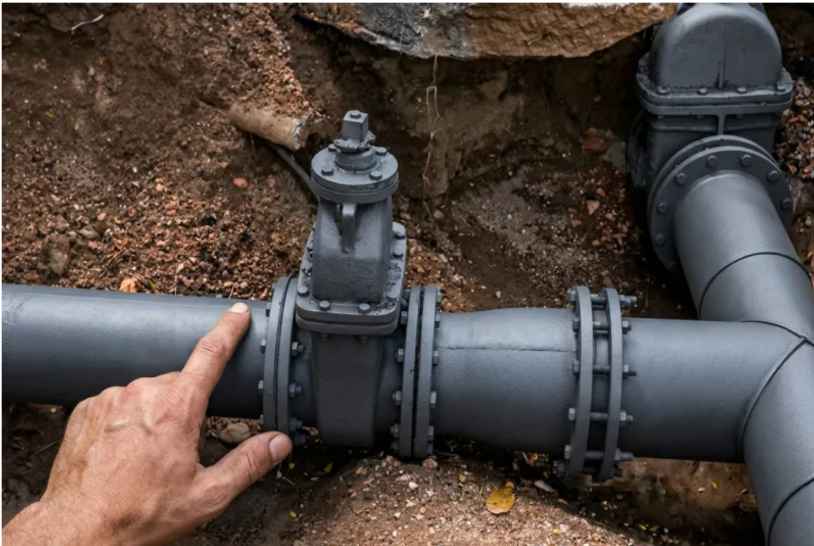
A pre-winter sewer camera inspection allows a professional plumber to insert a high-definition, fiber-optic camera directly down your main cleanout. This visual audit pinpoints the exact location, depth, and severity of any root masses or pipe offsets without digging up your historic lawn or brick walkways.
If root intrusion is caught early during autumn, mechanical clearing using specialized cutting blades or hydro-jetting can completely strip the roots out from the interior walls. Following mechanical removal, applying specialized EPA-approved root-inhibiting treatments creates a barrier that prevents new root tips from regenerating through those clay joints during the dormant winter season.
Common Autumn Sewer Line Questions
- Why do sewer lines back up more frequently in the fall in Wichita?
The surge in autumn backups is caused by the combination of aggressive late-season root growth and changing household habits. As tree roots expand inside pipes during October, increased seasonal water use from indoor cooking, laundry, and holiday prep quickly overburdens the restricted pipe space.
- Can tree roots completely destroy a clay sewer pipe?
Yes. As tree roots grow inside a pipe, they increase in thickness. Over time, this expanding radial pressure acts like a wedge, cracking the clay barrel apart and eventually causing the pipe to collapse or drop, creating a complete structural failure that requires excavation or trenchless lining.
- Will chemical root killers from a hardware store fix my main line?
Over-the-counter chemical foams can singe the tips of roots sitting in the flow line, but they cannot remove heavy, wood-like root masses that fill the top half of the pipe. Physical mechanical cutting or high-pressure jetting is required to restore full flow before preventative treatments can be effective.
Pro-Tip: The Cleanout Verification Before winter arrives, locate your main exterior sewer cleanout cap—
usually a white or black PVC cap sitting level with the grass in your yard. Ensure the cap is threaded tightly
and not cracked. A damaged cleanout cap allows cold autumn air to enter the line, freezing shallow pipes,
and permits leaves and yard debris to fall directly into your main drain.
Protect Your Historic Home Before Winter
Your mature trees are part of what makes living in Wichita’s historic neighborhoods so special, but their root systems don’t have to ruin your plumbing. Taking the time to inspect your main sewer line during the crisp weeks of October ensures your system is clear, healthy, and ready to handle the demands of the winter season ahead.

Notice slow drains or gurgling toilets as the leaves begin to fall? Don’t wait for a total backup in the freezing cold.
Call Lyday Plumbing at 316-612-0458 or visit our website today to schedule a comprehensive Pre-Winter
HD Camera Sewer Inspection and protect your home before the ground freezes!