
As August comes to a close in Kansas, we enter a tricky transitional phase. We are dealing with late summer heatwaves that push outdoor watering systems to their limits, while also preparing for the heavy thunderstorms that often mark the turn into autumn.
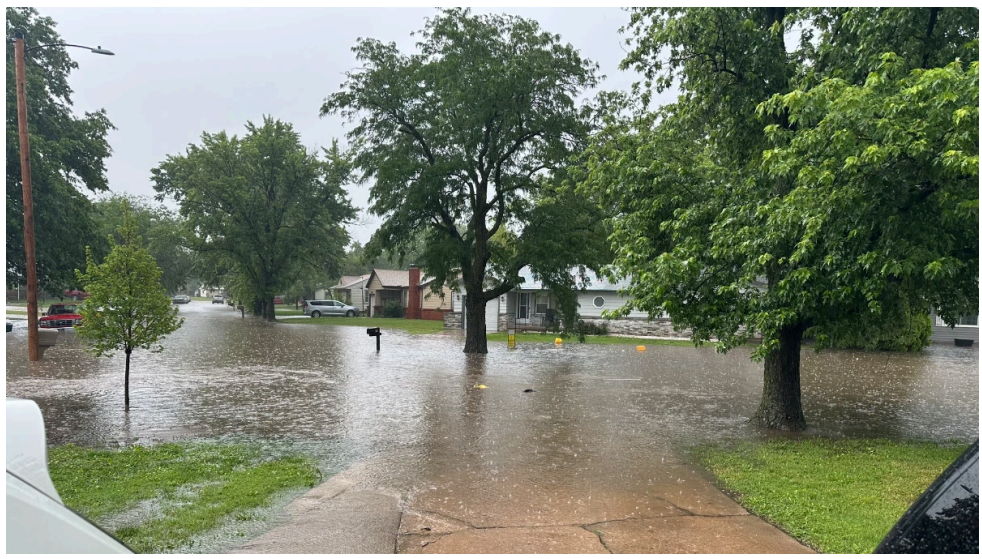
I’m sure you’d agree that the last thing you want to deal with during a hot August weekend or a sudden seasonal downpour is a backed-up line or an overflowing irrigation line. I promise that spending a few minutes evaluating your system right now will prevent major headaches when the seasonal weather shifts. In this guide, we’ll cover three critical late-summer checks every Wichita homeowner should make before fall arrives.
How Summer Heat Impacts Kansas Plumbing
Throughout July and August, local plumbing systems operate under heavy strain. Increased household water use, continuous lawn irrigation, and high outdoor temperatures interact directly with Sedgwick County’s expansive clay soil.
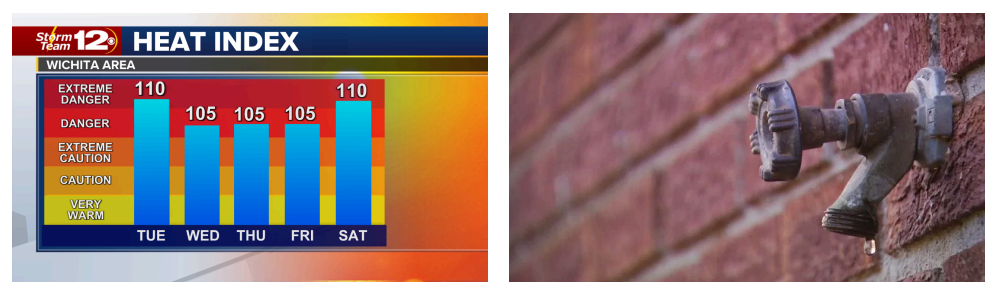
According to regional maintenance standards, late summer is peak season for root intrusion and underground line stress. As topsoil dries out and shrinks during dry August spells, tree roots actively hunt for moisture, often targeting the damp joints of aging sewer lines. When sudden late-August or September rainstorms hit, these partially blocked pipes fail to handle the sudden surge of water, leading to immediate drain backups.
3 End-of-Summer Maintenance Priorities
1. Inspect Outdoor Hose Bibs and Backflow Devices
After months of heavy use with garden hoses and sprinkler setups, outdoor spigots often develop slow packing-nut leaks or worn washers. Check around your outdoor valves for persistent dripping, which can erode foundation soil or leak into crawlspaces unnoticed.
2. Flush High-Traffic Main Lines
With kids returning to school and household routines shifting back to normal, your indoor plumbing is about to experience new usage patterns. Clearing out organic waste, hair, and summer grease before the fall season ensures your main line drains smoothly without sudden interruptions.
3. Clear Sump Pump Discharge Lines Before Autumn Storms
Late August and early September can bring sudden atmospheric shifts that dump several inches of rain in a single afternoon. Over the dry summer months, outdoor discharge pipes often become clogged with dry grass clippings, dirt, or pest nests. Ensure your discharge outlet is completely clear so water can escape freely.
Common Late-Summer Plumbing Questions
Why does my yard smell like sewage during hot August days? As ambient temperatures rise, sewer
gases inside your main line expand. If your system has a dry P-trap, a cracked vent pipe, or a damaged
exterior cleanout cap, those hydrogen sulfide odors become much more noticeable around your property.
Should I adjust my water heater temp as fall approaches? During peak summer, incoming municipal water is warmer, meaning your water heater doesn’t have to work as hard. As ground temperatures start dropping in late September, setting your water heater to a standard 120°F ensures consistent efficiency without overheating the tank.
Pro-Tip: The End-of-Summer Hose Removal Even though freezing temperatures are still a ways off, get
into the habit of disconnecting hoses when not in use. Leaving hoses connected during sudden lateseason cold snaps can trap water in the sillcock and split the pipe behind your exterior wall.
Get Ahead of the Seasonal Shift
Taking a proactive approach at the end of August protects your home from the combined threats of summer soil movement and upcoming autumn rains. A quick seasonal review keeps your system running smoothly year-round.
Want to make sure your home is ready for the upcoming season? Don’t wait for a rainy day to find a problem.
Call Lyday Plumbing at 316-612-0458 or visit our website to schedule an end-of-summer plumbing checkup!