
If you’ve lived in Wichita for any length of time, you already know about our hard water. You see it as white, chalky spots on your shower doors and crusty buildup on your kitchen faucets. But what most homeowners don’t realize is that the very source of our city’s water is quietly shortening the lifespan of their home’s most expensive plumbing appliance: the water heater.
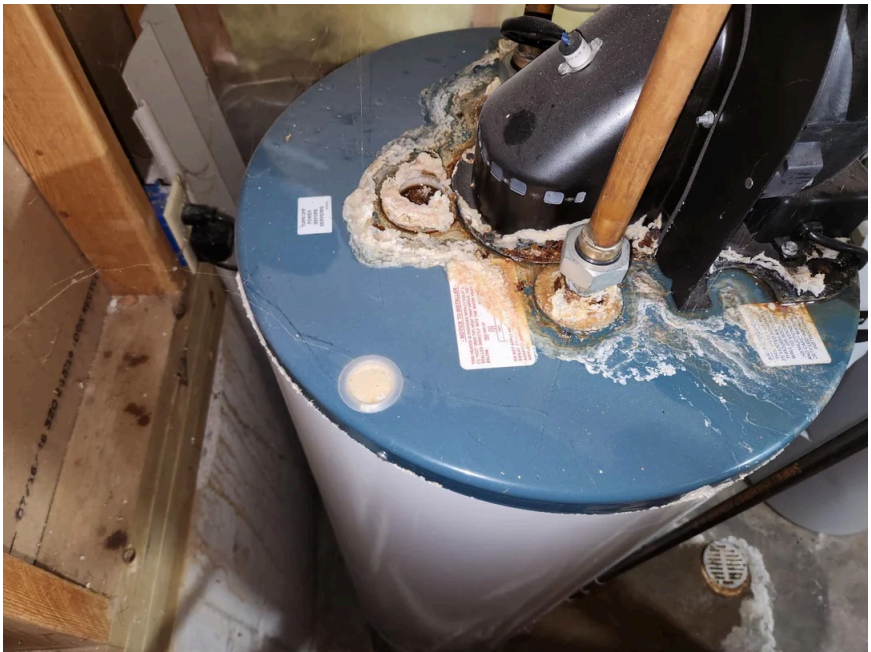
I’m sure you’d agree that replacing a water heater every six or seven years feels like a rip-off when national averages suggest they should last a decade or more. I promise that understanding where Wichita’s water comes from, and how its mineral profile reacts to heat, will help you double the life of your unit and save money on your monthly energy bills. In this guide, we’ll uncover “The Equus Beds Effect” and give you an actionable maintenance routine built specifically for Sedgwick County homes.
Why Wichita Water is Exceptionally Hard
To understand why water heaters struggle in South-Central Kansas, you have to look underground. The majority of Wichita’s municipal water supply is drawn from two primary sources: the Cheney Reservoir and the Equus Beds Aquifer (a massive underground water reserve located in nearby Harvey and McPherson counties).
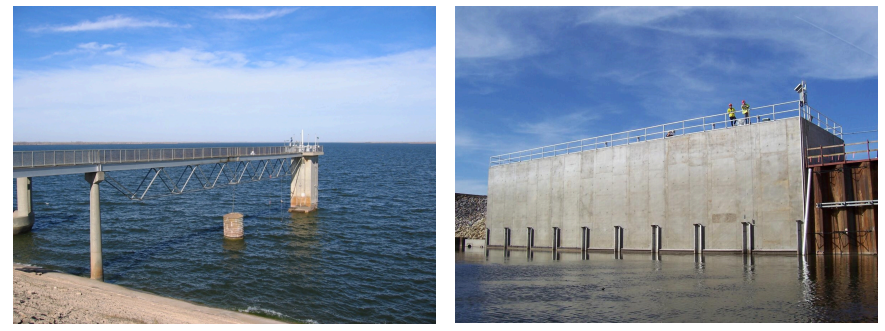
According to geological and municipal water quality reports, water stored in the Equus Beds sits in deep layers of sand, gravel, limestone, and gypsum. As water filters through these prehistoric rock formations over decades, it dissolves large concentrations of minerals, specifically calcium carbonate and magnesium. By the time this water travels down the pipeline into your Wichita home, it carries a high grain count of mineral hardness.
The Chemistry of Tank Degradation: What Happens Inside
Hard water isn’t necessarily dangerous to drink, but it is destructive to closed plumbing systems. The moment hard water enters your water heater, a predictable thermal reaction occurs:
1. Thermal Precipitation: When cold water is heated inside the tank, the dissolved calcium and magnesium separate from the liquid and turn back into solid mineral crystals.
2. Sediment Accumulation: These heavy mineral crystals settle straight to the bottom of your water heater, forming a thick layer of dense, rock-like sludge over the burner or lower heating element
3. The “Insulation Trap”: In gas water heaters, this sediment creates an insulating barrier between the bottom burner flame and the water above it. The burner has to run twice as long to heat the tank, leading to severe overheating of the tank’s steel bottom.
4. Thermal Stress & Fracture: The inner steel lining of your water heater expands and contracts as it heats up and cools down. When trapped beneath a hard layer of mineral scale, the glass-lined protective coating cracks. Once the water touches raw steel, rust takes over, leading to a catastrophic tank leak.
3 Symptoms Your Water Heater is Suffering from Mineral Scale
1. “Popping” or Rumbling Noises
If your water heater sounds like a pot of boiling popcorn or a kettle rumbling on the stove, that is water trapped underneath the bottom layer of sediment escaping as steam bubbles. It is a clear warning that inches of mineral scale have built up in your tank.
2. Hot Water Runs Out Faster Than It Used To
If your 50-gallon water heater suddenly feels like a 20-gallon unit during morning showers, mineral displacement is the culprit. When several inches of solid rock sit at the bottom of your tank, there is literally less physical space available for hot water.
3. Cloudy or “Metallic” Hot Water
If the water coming out of your hot tap looks milky, yellow-tinged, or has a faint metallic odor, while the cold water runs crystal clear, your tank is actively dissolving from internal scale corrosion.
Common Wichita Water Quality Questions
Why does my water heater only last 6 years in Wichita when the manual says 10 to 12? National manufacturer lifespans are based on neutral, moderate-water profiles. In Wichita, the heavy mineral load from the Equus Beds speeds up anode rod depletion and accelerates bottom-tank overheating. Without routine flushing, 6 to 8 years is the standard structural limit for a traditional tank in Sedgwick County.
Will a water softener save my water heater? Yes. Installing a whole-home water softener exchanges hard minerals (calcium and magnesium) for soft ions (sodium or potassium). This stops mineral precipitation inside your tank entirely, allowing your water heater to reach or exceed its intended 12-year lifespan.
How often should I flush my water heater in Sedgwick County? While general plumbing guides recommend an annual flush, Wichita homes should have their water heaters flushed every 6 months. The high mineral density from our local aquifer builds up twice as fast as it does in soft-water cities.
Pro-Tip: The Anode Rod Inspection Inside your tank sits a sacrificial anode rod designed to attract corrosive elements so the steel tank doesn’t rust. Because of the Equus Beds’ mineral composition, these rods degrade much faster in Wichita. Check your anode rod every two years; replacing a $30 rod can add 5 years to the life of a $1,500 water heater.
Protect Your Tank from Wichita’s Hard Water
You don’t have to accept early water heater failure as a fact of life in Kansas. By matching your maintenance schedule to the realities of our local water supply, you can keep your system running efficiently and avoid unexpected basement floods.
Is your water heater popping, rumbling, or taking forever to heat up? Don’t wait for the bottom to rust out.
Call Lyday Plumbing at 316-612-0458 or visit our website to schedule a complete Water Heater Tank Flush & Anode Audit. We’ll make sure your system is built to handle Wichita water!