
Every winter, plumbers across Wichita see a sharp increase in water heater failures, especially in December.
It is not a coincidence. Cold weather, local water conditions, and heavier household demand during the
holidays combine to push already stressed systems past their breaking point. For many homeowners, the
first warning sign is waking up to cold water on a freezing morning, which is usually when a small issue has
already turned into a major repair or replacement.
One of the biggest reasons water heaters struggle in Wichita winters is the temperature of the incoming
water supply. As ground temperatures drop, the water entering your home becomes significantly colder.
Your water heater has to work much harder to bring that water up to a comfortable temperature, running
longer cycles and placing extra strain on heating elements or burners. Units that were barely keeping up in
warmer months often cannot handle this increased workload once winter sets in.
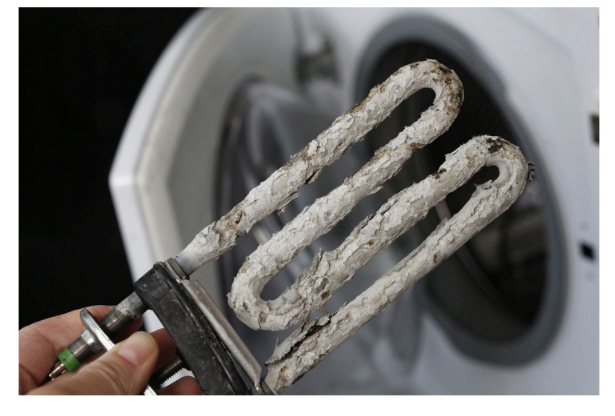 Sediment buildup is another major factor, and it is especially common in Wichita. Minerals naturally present
in local water settle at the bottom of the tank over time. During winter, when the heater runs more
frequently, that sediment layer traps heat, reduces efficiency, and forces the system to overwork. This can
lead to overheating, strange noises like popping or rumbling, reduced hot water capacity, and eventually
tank failure. A water heater that has never been flushed is far more likely to fail during the coldest months of
the year.
Holiday water usage adds another layer of stress. Extra guests, more laundry, longer showers, and
increased dishwashing all push water heaters beyond their normal daily demand. Older units, or those
already weakened by sediment or worn components, often cannot keep up. This is why December is one of
the most common months for emergency water heater calls in Wichita homes.
There are usually warning signs before a full failure occurs. Homeowners often notice inconsistent water
temperatures, rusty or cloudy hot water, water pooling around the base of the tank, or a sudden drop in
available hot water. Unusual noises coming from the unit are another red flag, often pointing to sediment
buildup or failing internal components. Addressing these symptoms early can sometimes prevent a total
breakdown.
When problems arise, homeowners often wonder whether repair or replacement makes more sense. In
general, if a water heater is under eight years old and the issue is isolated, such as a heating element or
thermostat failure, repair is often the most cost-effective option. However, if the unit is older, leaking from
the tank, heavily corroded, or experiencing repeated issues, replacement is usually the smarter long-term
choice. Many homeowners are surprised to learn that continuing to repair an aging system often costs
more over time than installing a new, efficient unit.
Cost expectations matter, especially during the holidays. Minor water heater repairs typically cost far less
than emergency replacements, but delaying service can quickly escalate expenses. Full replacements
vary depending on tank size, fuel type, and installation requirements, but same-day replacement eliminates
the stress of prolonged downtime and prevents further damage to the home. Newer systems are also more
energy-efficient, which helps offset the initial investment over time. The best way to avoid winter water heater failure is proactive care. Annual maintenance, including tank
flushing and system inspection, helps reduce sediment buildup and identifies weak components before
they fail. For homeowners already experiencing issues, prompt service is critical. Fast action often means
the difference between a simple repair and an unexpected replacement.
If your home is experiencing hot water problems this winter, same-day water heater repair or replacement
can restore comfort quickly and safely. Wichita winters are hard on plumbing systems, but with the right
response, homeowners can avoid cold showers, emergency situations, and unnecessary stress when they
need hot water the most.